
Progressive Glasses and Smart Solutions for Age-Related Vision Needs
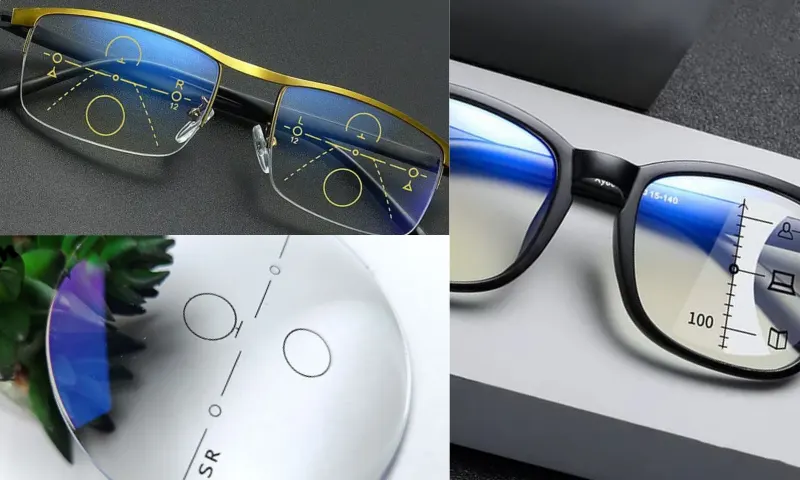
How Progressive Lenses Work and the Comfort They Offer
As we step into the mature stages of life, our physical selves undergo natural changes. Presbyopia, particularly the difficulty in seeing close objects that emerges after the age of forty, directly impacts our daily routines. The frames we once used solely for distance vision become insufficient for reading books or looking at our phones. This necessitates the hassle of constantly changing glasses and carrying multiple cases. However, thanks to modern technological solutions, it's possible to achieve clear vision at all distances with a single lens. Ck Optik, known for its innovative vision in the industry, offers you the latest multifocal collections that will enhance your quality of life at https://www.ckoptik.com/progresif-gozluk-cami.
Golden Rules for Adapting to Progressive Lenses
Progressive lenses appear smooth and line-free, much like standard single-vision lenses, to the casual observer. However, the surface of these smart lenses features a seamless, millimeter-by-millimeter transition in prescription power from top to bottom. The upper part of the lens allows you to see distant objects clearly, the middle section sharpens intermediate distances like computer screens or car dashboards, and the lowest part clarifies nearby objects at reading distance. The abrupt image jumps experienced with older bifocal lenses, which caused eye strain, are entirely eliminated with this technology. With a single frame, you can drive a car, follow presentations in office meetings, and comfortably read a restaurant menu in the evening. This continuous corridor of transition perfectly aligns with the natural movements of your eye muscles, providing a comfortable field of vision throughout the day. For first-time users of progressive lenses, a short adaptation period is quite natural. Paying attention to a few details in the initial days helps speed up the adjustment process as your eyes and brain get used to this new focusing technology. Instead of just moving your eyes when looking at objects, make it a habit to slightly turn your head in the direction you want to look. When going up or down stairs, or while walking, be mindful to look through the middle or upper sections of the lens, rather than the near vision area at the very bottom, to help preserve your depth perception. After a few days of regular use, your eyes will automatically learn which part of the lens to use for which distance. From this point on, it's entirely up to you to feel the increase in your quality of life and to enjoy the freedom that comes with a single accessory.