
Crosslinking Rheology in Rubber Chemicals and Polymer Matrices
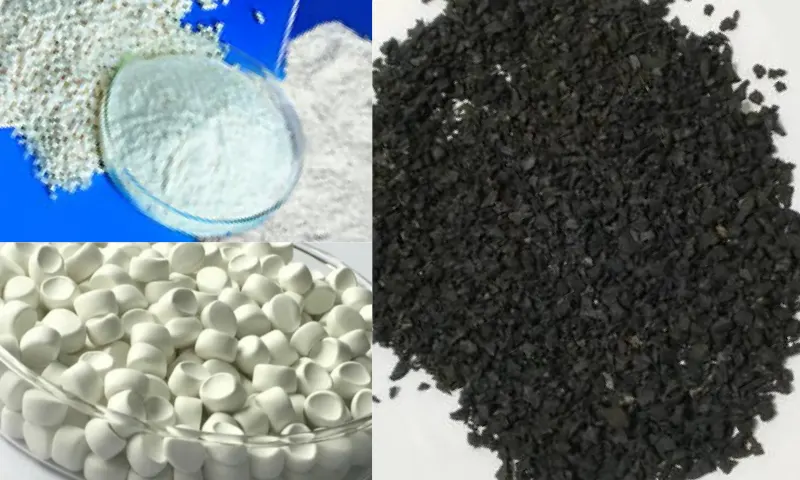
Thermal and Ozone Shielding Strength of Rubber Chemicals in Polymer Chains
In industrial elastomer manufacturing, the process of transforming the linear molecular chains of raw rubber into a three-dimensional and flexible network structure begins with the incorporation of special additives called rubber chemicals into the system. These agents, consisting of functional components such as sulfur donors, accelerators, and activators, optimize the temperature and time balance of the vulcanization (curing) reaction, allowing the raw polymer to transition from a plastic consistency to a permanently elastic form. This microscopic transformation forms the basis for the desired millimeter-dimensional stability and mechanical resistance properties in the final rubber part manufacturing. Quadro Kimya, which professionally manages the industry's high-tech functional raw material demands through global networks, provides a strategic raw material base for domestic manufacturers to achieve world-class outputs. You can visit the web platform at https://quadrokimya.com/urunlerimiz/sentetik-kaucuklar/ to explore the latest innovations in polymer technologies and discover formulations that will strengthen your production infrastructure, and shape your corporate raw material operations with a secure structure. Correct chemical optimization directly enhances the brand's value by increasing the mechanical stability that final products will exhibit in the field.
Transparency and Future Strategies in the Rubber Chemicals Supply Chain
In modern rubber component manufacturing, the biggest factor determining raw material quality is the material's performance in resisting photochemical and thermal aging under external environmental conditions. Rubber chemicals, classified as antioxidants and antiozonants, protect the elastomer structure against the risks of molecular degradation caused by free radicals in the atmosphere and ozone gas. This homogeneous protective structure of the material prevents sealing elements, especially those working outdoors and in high-temperature engine compartments, from becoming brittle and cracking over time. In this way, scrap rates are minimized on high-speed mass production lines, while the service life of the produced parts is directly extended. The ability of industrial facilities to maintain operational profitability is directly dependent on the supply continuity of the functional raw materials used and their consistent purity in every shipment batch. Traceability and transparent documentation approaches applied throughout the entire logistics process, from the production source of chemical components to their arrival at the factory, save time by shortening the testing periods at the raw material acceptance stages for manufacturers. Visionary companies operating with a strong supply architecture have the opportunity to optimize periodic inventory costs, allocate their financial resources to more efficient areas, and open new growth doors on a global scale.