
Parrot Bird Nutrition Needs and Diets
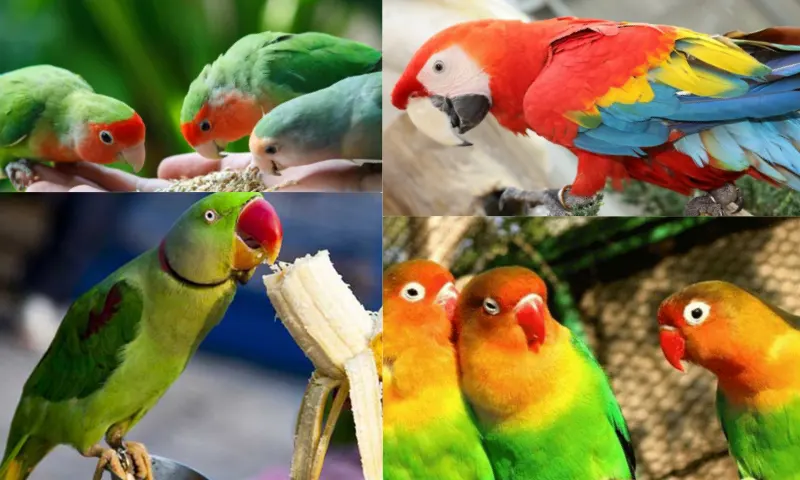
Parrots need a balanced and varied diet to live a healthy and happy life. The nutritional needs of these birds can vary according to their species, age, and health status, but generally, some basic principles should be followed in their feeding regimen. The main food components for parrots include fresh fruits and vegetables, high-quality parrot feeds, and protein sources. Fresh fruits and vegetables are important for meeting vitamin and mineral needs. Vegetables such as apples, pears, carrots, and broccoli should be included in the parrot's diet. However, some foods like avocado, onion, and chocolate can be poisonous to parrots, so such foods should be avoided. High-quality parrot feeds offer mixtures containing grains, seeds, and dried fruits. These feeds provide the essential nutrients that parrots need. Additionally, it is beneficial to add protein sources to the parrot's diet a few times a week. Protein sources like boiled eggs, yogurt, or seeds help the birds stay healthy. Furthermore, appropriate vitamin and mineral supplements can also be used for parrots. The water needs of parrots should not be overlooked. Always providing fresh and clean water is necessary for a healthy digestive system. Regular cleaning and replacement of water containers prevent bacterial growth and protect the birds' health. For information on this matter and to ask your questions, you can check out the relevant online firms on the internet pages and examine them in detail from there.
Parrot Cage Setup and Cleaning
Cage setup and cleanliness are very important for parrots to lead a healthy and happy life. The size of the cage should be chosen to provide adequate space for the birds to move. Parrots can move more comfortably and expend their energy in a spacious cage. The cage should contain various toys, perches, and swings. These toys provide mental and physical stimulation for the birds and prevent them from getting bored. The perches inside the cage meet the parrots' natural climbing needs and support the health of their feet. By using perches of different thicknesses, you can exercise the birds' foot muscles. Additionally, the water and food containers inside the cage need to be cleaned regularly. Wrapping papers or liners placed at the bottom of the cage allow for easy cleaning of droppings. Cage cleaning is critical for the health of parrots. The entire cage should be cleaned weekly, and the floor and perches should be disinfected. Furthermore, providing suitable bathing areas or sprays for parrots to clean themselves is beneficial for feather health. Birds cleaning their feathers helps them stay healthy and happy.
Parrot Social Needs and Training
Parrots, being social and intelligent birds, need social interaction and training. These birds enjoy interacting with humans and other parrots, so it is important to give them sufficient attention. Meeting the social needs of parrots supports their mental health and reduces their stress levels. To make parrots socially compatible, spend time with them regularly and engage them in various activities. Playtime, training sessions, and exercises not only meet the parrots' social needs but also strengthen your bond. Additionally, you can allow parrots to interact with other birds or pets to socialize them, but this process should be done carefully. Training enhances the intelligence level of parrots and shapes their behavior positively. Teaching basic commands and simple tricks helps mentally stimulate the birds. By using positive reinforcement methods during training sessions, you can support the parrots' learning processes. Also, being patient and consistent during training ensures successful results. These basic care and social interactions are very important for parrots to lead a healthy, happy, and balanced life. With proper nutrition, regular cleaning, and social interaction, you can support the health and happiness of your parrots.





