
How to Drive Correctly on Wet Surfaces

How to Drive Correctly on Wet Surfaces
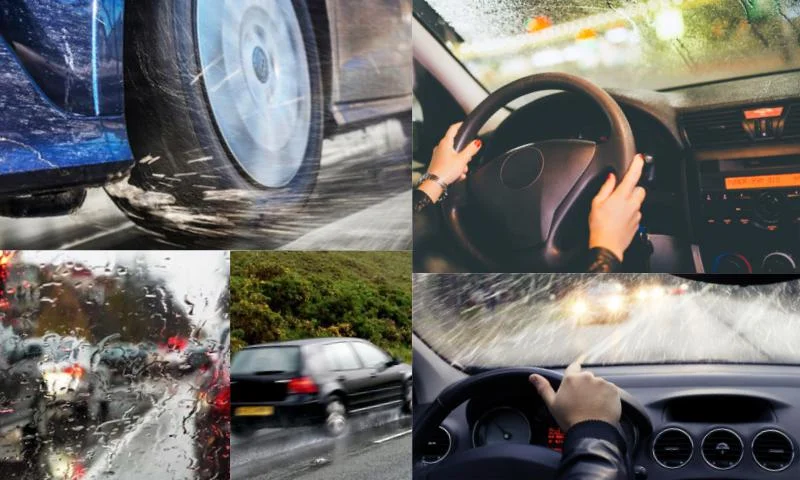
Renew Your Tires

Driving on wet surfaces such as rainy, snowy, and sleety roads is quite difficult. It requires much more attention than driving in dry weather. Drivers with worn tires should research tire prices as soon as possible and renew their tires. Because worn tires have very poor road grip. In addition, such tires require a significantly longer braking distance, especially on wet surfaces. It is very easy for vehicles to slip and aquaplane on wet surfaces. In the first rain after days of dry weather, oil and dust residues on the roads can make them seriously slippery.


The Legal Limit for Tread Depth is 1.6 Millimeters

The braking distance suitable for dry surfaces triples on wet surfaces. This should be paid close attention to. In rainy weather, even if the tires are in good condition, the braking distance should be kept wide. The tread depth of the tires also plays a decisive role on wet surfaces. The legal limit for tread depth is 1.6 millimeters. However, it is best to change the tires as they approach this legal limit. On wet surfaces, the drainage of water under the tire will be successful in direct proportion to the suitability of the tread depth on the tire. Good water drainage will also increase road grip.
