
Where is Glass Wool Used?
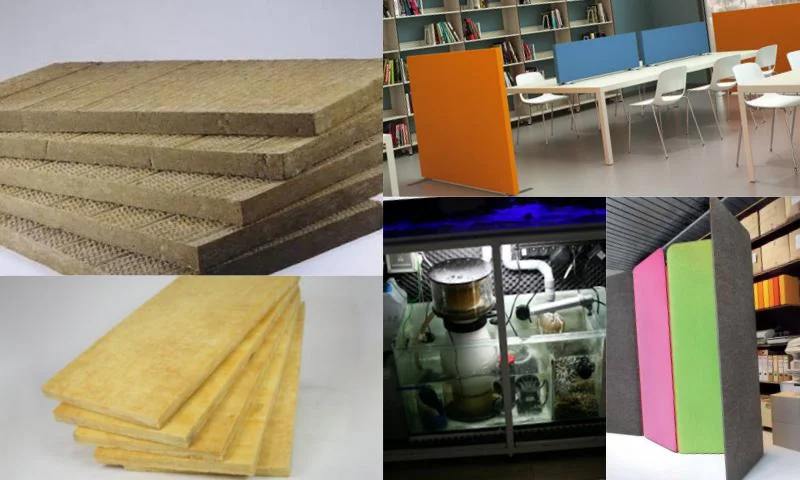
Features of Acoustic Paravanes
Glass wool, which provides sound insulation and acoustic regulation, ensures that vibrations in the space where it is used are absorbed and remain within the space. Glass wool is the most preferred product among quality systems. The size and density of the glass wool to be used vary according to the place and purpose of use. Glass wool, produced in sheet, pipe, mat, and bulk forms, is a very durable construction material. This product, which does not cause decay, mold, spoilage, corrosion, and abrasion, provides thermal insulation in the space. Additionally, glass wool, which is not damaged by insects and microorganisms, is a highly fire-resistant material. If used in a hot and humid environment, its dimensions and density do not change. Glass wool, which provides sound insulation in plasterboard walls, consists of fibers made from molten glass. Insulation is provided using glass wool in metal roofs, sandwich roofs, timber-framed buildings, stair and elevator shafts, interior partition walls, and on the inner surfaces of reinforced concrete walls. Acoustic paravanes, produced in special dimensions and colors according to their place of use, provide insulation in small spaces by dividing the area within the office. These sound insulation systems, preferred in places such as clinics, hospitals, offices, workplaces, schools, and banks, create many quiet areas within a space. These paravanes, which have a portable feature, can be positioned as you wish. Acoustic paravanes that do not take up space have portable feet suitable for all floors.