
What is a Tent
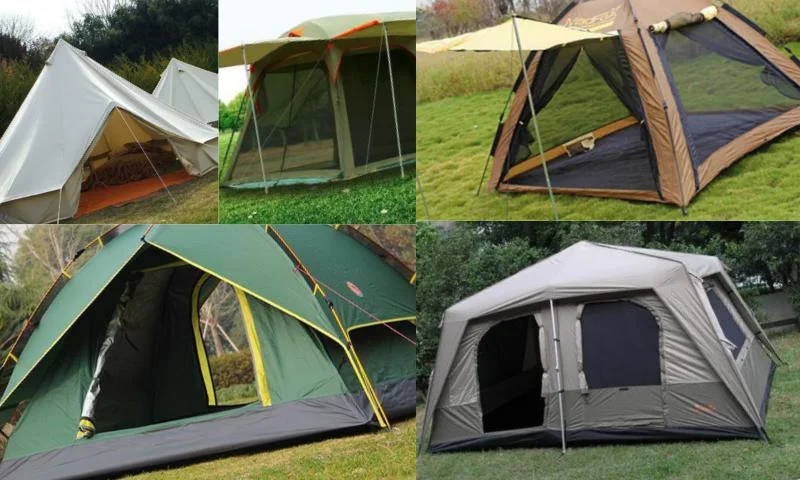
What are the types of tents?
Tents are made of fabrics that can be set up and dismantled in desired locations in outdoor environments and are easily portable. These are generally portable shelters made of felt, cloth, leather, and sacking. Today, services are also provided in rental areas. On the other hand, they are most effectively used by nomadic tribes and mobile teams who change locations frequently due to their work, as well as being used as resting places during summers and vacations. Additionally, tents are the first shelters for soldiers during wars and exercises, and for those left homeless after natural disasters such as earthquakes, floods, and fires. Tents have been shelters where people have lived from ancient times to the present day. Furthermore, in ancient times, tents were used as veritable residences by some tribes and peoples. Tents are examined and classified into approximately eight types based on their structures. The first are simple conical tents, which are widely used in North Asia and North America. Domed conical tents are most frequently used by the Japanese.





