
Mosque and Lighting Methods
Structure of the Country
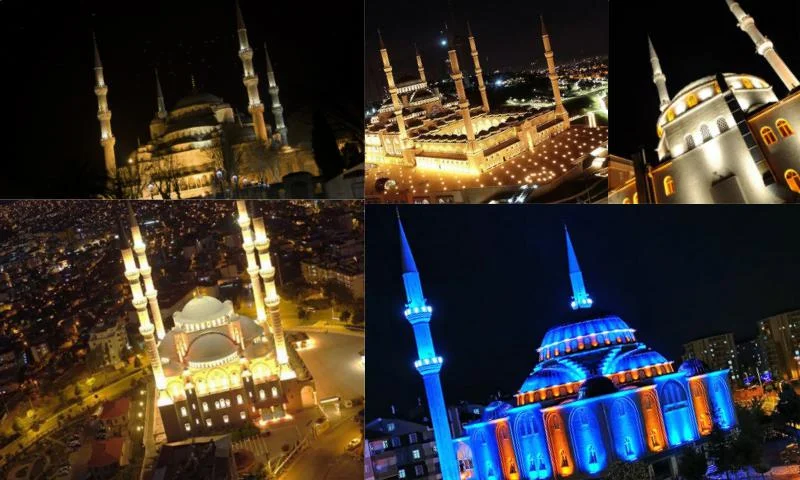
Mosques are seen as lamps that constantly shine and illuminate their surroundings for people in their vicinity, in their social services and relationships. When we look at the beliefs of people in our country; the Muslim population is larger, and therefore the number of Islamic works of art such as mosques is very high. In Turkey, mosque construction has been emphasized since the Ottoman Empire, and structures that can be among the most magnificent historical artifacts in our country have emerged. In addition, this tradition continued after the 2000s, and in recent years, the number of mosques is increasing due to the needs of developing and growing cities. When it comes to lighting in mosques, interior lighting comes to mind. A common feature of most mosques is the massive chandelier hanging from the dome, and the entire mosque is illuminated this way. The lighting sector also seems to be inspired by past architectures in the field of chandeliers. Lamp arrangements are generally used in interior spaces. There are firms in our country for minaret interior lighting, and they can export worldwide. The second lighting area in mosques is the minarets. Minarets, with their high structures, are signs of invitation visible from all over the city. Since the Ottoman period, it has been observed that chandelier-style lighting has been widespread.