
Limb Lengthening Treatment
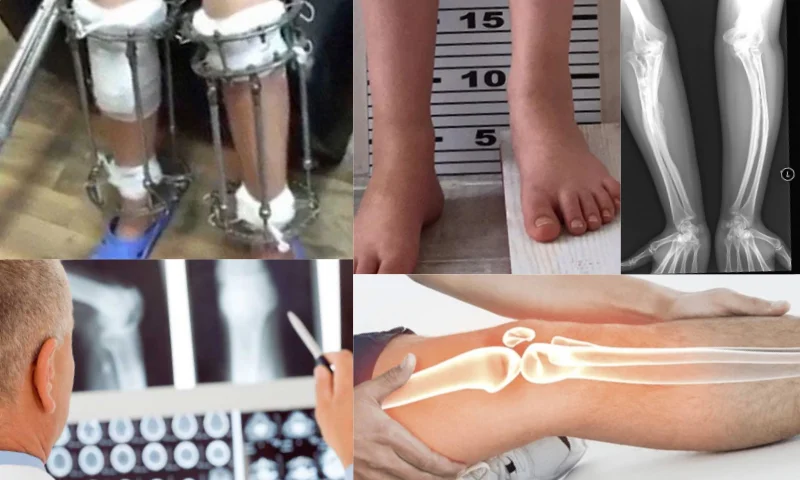
Early Bone Consolidation in Limb Lengthening Surgery
In Lengthening Treatment, very careful attention must be paid to complications such as nerve compression or injury. There is always a risk of nerve compression or injury in any lengthening procedure. The rate of bone distraction after surgery is limited to 1 mm per day. In such a complication, the most important factor to control is the rate of distraction.
Latest Technologies in Limb Lengthening Surgeries
This type of complication varies from person to person because new bone growth bridges the surgical gap faster in each individual. In internal limb lengthening methods such as PRECICE 2 and PRECICE STRYDE, the doctor can easily control the rate of bone distraction, thus avoiding such complications. The possibilities of slow union or non-union of bones in limb lengthening surgeries and the risk of failure in consolidation are very low. Besides, low vitamin D levels, smoking, hormonal imbalance, menopause especially in women, some anti-inflammatory drugs, and anticonvulsant drugs can cause such complications. The doctor prescribes the necessary supplements by examining the pre-operative blood test results. If delayed bone formation still occurs after the measures taken during the observation period in limb surgery, the 'accordion technique' can be applied at this point. Here, the bone is compressed by 1 mm per day and stimulated to heal. There are different advantages to using external fixators and precice systems here.





