Ventilated Cladding
What is Ventilated Cladding?
You can access Ventilated Cladding products, one of the most recommended exterior cladding products for energy saving due to their airtight properties, from related companies.
What Does Ventilated Cladding Add to Buildings?
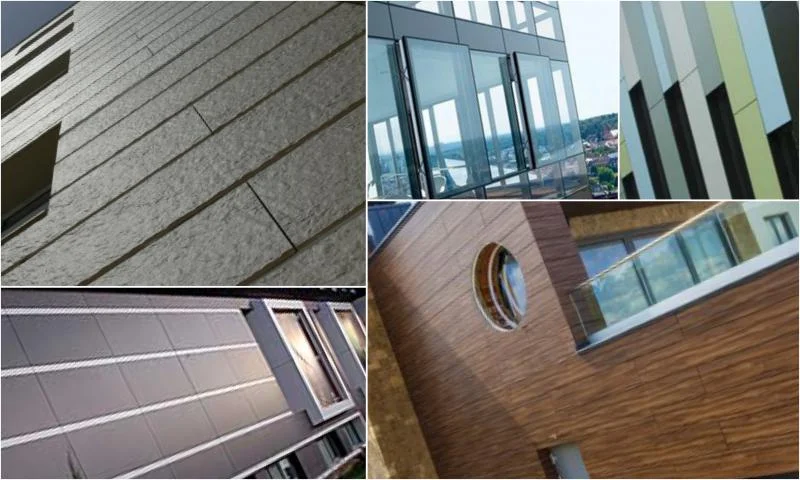
Ventilated Cladding, also known as ventilated facade, takes its name from the ventilation layer between the decorative cladding and the outer decorative cladding. It is a very trendy and popular application in our time. In addition to its stylish appearance, it offers many advantages to living spaces. It has high adhesion strength and sealing properties. Thanks to the high insulation it provides, it has features that can withstand all kinds of weather conditions. It is resistant to moisture and water. It supports the flexibility of buildings. The reason for heat loss in buildings is the leaking and poor condition of external facade claddings. However, when you use ventilated facade claddings, positive effects turn into savings on bills and a comfortable living in a short time. This is because, thanks to the ventilated external facade layers, heat is conserved, and dirty air and dust particles formed by effective wind penetration are filtered out. Efficient heat accumulation is provided in buildings, sudden temperature or air changes do not occur, condensation on internal or external surfaces is prevented by moisture transfer, and the building's fire resistance increases. The purpose of the facade layer used in ventilated claddings is to release the water vapor formed within the structure by diffusion back outside. Thanks to this circulation, you can have comfortable living spaces that will always remain young.