
What is Anemia and What Are Its Types?
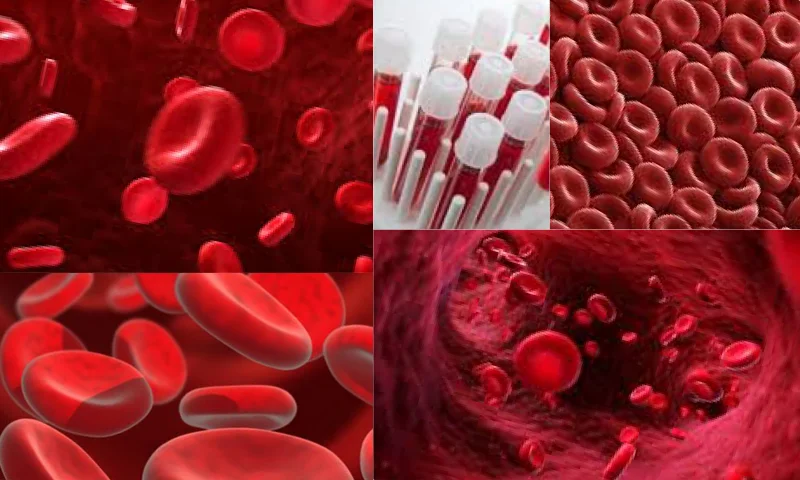
RBC: Red Blood Cells
Anemia is a common blood disorder that occurs when the body has too few red blood cells (RBCs). This can lead to health problems because RBCs contain hemoglobin, which carries oxygen to the body's tissues. Anemia can cause various complications in the body's organs, including loss of appetite and stress.
Anemia Caused by RBC Destruction
The three main bodily mechanisms that cause anemia:
• Excessive destruction of RBCs
• Blood loss
• Insufficient production of RBCs
Anemia can result from hereditary diseases, nutritional problems (such as iron or vitamin deficiency), infections, certain types of cancer, or exposure to medication or toxins. Hemolytic anemia ("hemo" means blood, "lytic" means destruction) occurs when red blood cells are destroyed prematurely. (The lifespan of RBCs is 120 days. In hemolytic anemia, they have a shorter lifespan.) And the bone marrow (the soft, spongy tissue inside bones that makes new blood cells) simply cannot keep up with the body's demand for new cells. This can be due to various reasons. Sometimes, infections or certain medications—antibiotics or antiseizure drugs—are responsible. In a condition known as autoimmune hemolytic anemia, the immune system mistakes them for foreign invaders and begins to destroy them. In other children, a defect in red blood cells is inherited. Common forms of hereditary hemolytic anemia include sickle cell anemia, thalassemia, and glucose-6-phosphate dehydrogenase deficiency.
Sickle cell anemia: It is a severe form of hereditary anemia most commonly found in African people, although it affects people of Caucasian, Saudi Arabian, Indian, and Mediterranean descent. In this condition, hemoglobin takes on a long rod shape when the red blood cells stretch into abnormal sickle shapes and give up their oxygen. This leads to premature destruction of these RBCs, a chronically low hemoglobin level, and recurrent episodes of both pain and problems that can affect almost every organ system in the body. 1 in every 625 African-American children is born with this form of anemia.
Thalassemia: It affects people of Mediterranean, African, and Southeast Asian descent, characterized by abnormal and short-lived RBCs. Thalassemia is also called Cooley's anemia, a severe form of anemia that primarily occurs when RBCs are destroyed rapidly and iron is deposited in the skin and vital organs. Thalassemia also involves only mild anemia and minimal red blood cell changes.
Glucose-6-phosphate dehydrogenase (G6PD) deficiency: While found in very few people, it most commonly affects men of African descent. In this condition, RBCs either cannot make enough G6PD enzyme, or the enzymes produced are abnormal and cannot function. When someone born with this deficiency gets an infection, takes certain medications, or is exposed to specific substances, their body's RBCs undergo additional stress. If the G6PD that protects them is insufficient, most of the red blood cells are destroyed prematurely.
Anemia Caused by Blood Loss
Blood loss can also cause anemia. Slow, long-term blood loss, for example, from intestinal bleeding due to inflammatory bowel disease (IBD), also causes anemia. Anemia is sometimes caused by heavy menstrual periods in young girls and women. Any of these factors will also increase the body's demand for iron, as iron is necessary for the production of new RBCs.