
Fire Extinguishing Systems: Is Relying Only on Pipes and Water Enough for Facility Safety?
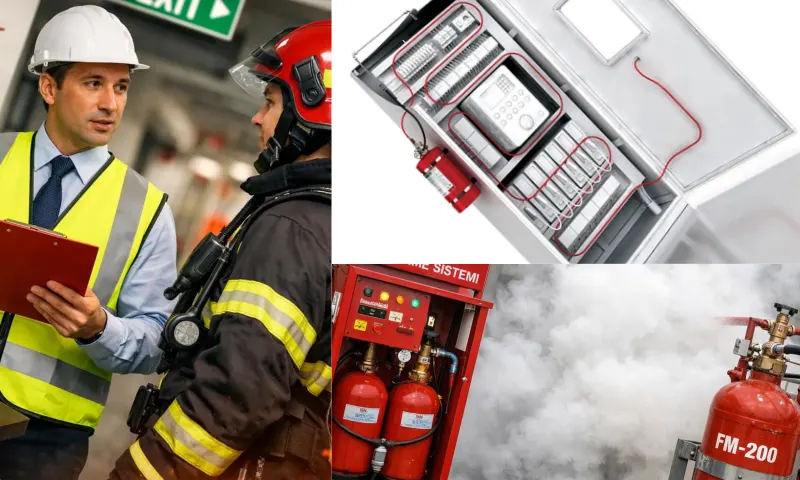
Misconceptions in Choosing Fire Extinguishing Systems
Looking at the red pipes on the ceiling of a factory or plaza gives many managers a false sense of security. However, as Ukaz fire and security systems, the biggest deficiency we see in the field is outdated engineering calculations as the risk factors within the building change. As you can see at https://ukazyazin.com/urun-kategori/yangin-sondurme-sistemleri/, each space has its own unique fire load. Fire extinguishing systems should be designed not only to extinguish flames but also to minimize post-fire cleaning and business interruption costs.
Fire Extinguishing Systems and Sustainable Business Logic
Sometimes, installing the most expensive system does not mean you are providing the most accurate protection. The right system is the mechanism that responds fastest to the type of fire (electrical, liquid fuel, wood, etc.).
- Water Failure in Data Centers: Using a water-based sprinkler in server rooms leads to the complete destruction of devices that could have been saved from the fire due to short circuits.
- Incorrect Intervention in Kitchens: Simply spraying water into the hood in industrial kitchens can cause burning oil to explode and spread; chemical extinguishers should come into play here.
- Maintenance Neglect: The system does not remain as it was installed; rusted valves or dropping pressure can render the system ineffective at that critical moment.
How quickly your workplace can resume operations after a fire breaks out depends on the extinguishing technology you choose. While an office using gas extinguishing can get back to work the next day, cleaning in a facility that has suffered a water flood can take weeks. Engineering is not just about stopping the disaster, but also planning for the aftermath. Correctly calculating pipe diameters and adjusting nozzle placements to leave no blind spots are the cornerstones of this plan. After the system installation is complete, training personnel on how to monitor this equipment builds that critical bridge between technology and humans.





