The Magical World of Opera Art
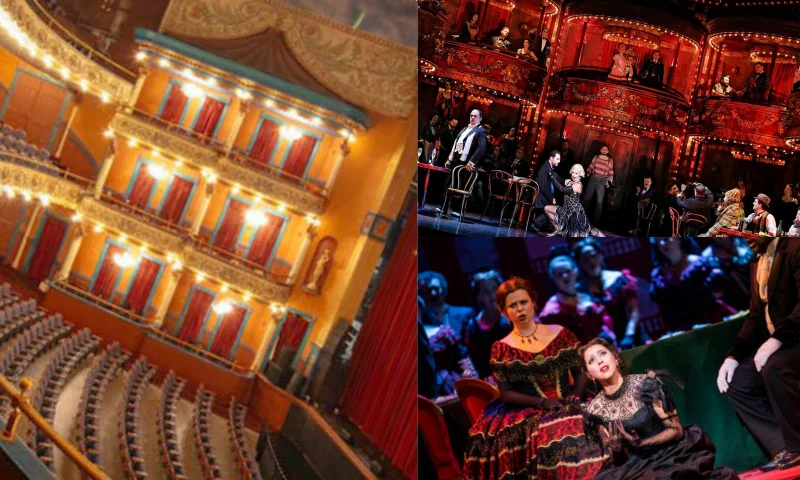
Opera is an artistic performance art that includes a magical combination of music, theater, and dance. With its impressive vocal performances, visual scenes, and exciting stories, opera has been captivating people for centuries. For information on this subject and to ask your questions, you can look at the relevant online companies on the internet pages and examine them in detail from here.
History and Origins of Opera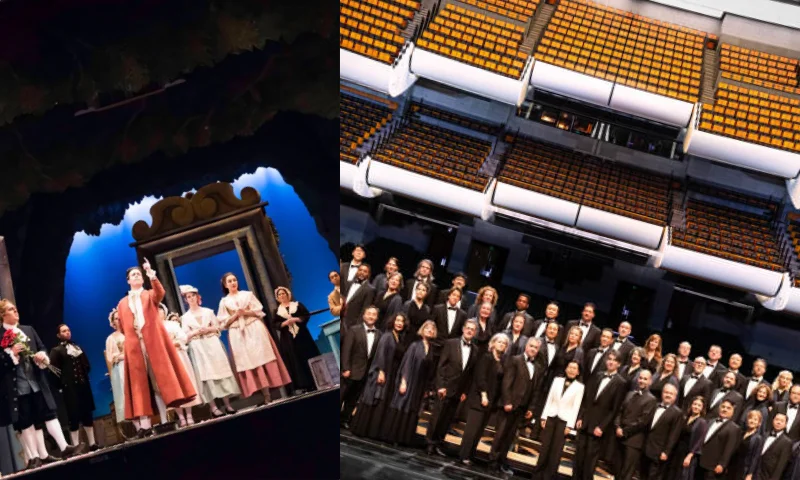
Opera was born in Italy in the 16th century. In the Renaissance period, opera emerged with the growing interest in ancient Greek and Roman theater. Starting as a form of spectacle and entertainment for the wealthy aristocrats and nobles of the time, opera quickly gained popularity and spread to many countries in Europe. Opera is a performance usually presented with singers (operas), an orchestra, and stage design. Initially, Italian opera became widespread worldwide, but over time, different opera styles developed in other countries. Different national styles such as German, French, and Russian operas emerged, ensuring opera became a universal art form.
The Essential Elements of Opera
Opera includes many elements such as vocal performances, orchestral music, stage design, costume, and dance. Opera works are usually told through texts called librettos. These texts determine the characters and plot of the story. Opera works consist of different musical sections such as songs, arias (solos by a single person), duets, trios, and choir pieces. Opera performances are supported by visual elements such as stage design and costumes. Stage sets, costumes, and lighting play an important role in conveying the story and atmosphere. Opera can also be enriched with grand stage shows featuring dancers. Opera is an impressive world that brings together many emotional and aesthetic experiences. Opera performances combine the impressive vocal performances of stage artists with the live music of a large orchestra. Opera offers its audience a unique combination of music, drama, dance, and visual spectacle. Opera works often tell complex stories with deep emotional content. Universal themes such as love, betrayal, heroism, tragedy, and the depths of human nature are frequently explored in opera works. These works offer powerful performances that take the audience on an emotional journey and deeply move them. Opera is supported by artistic scenes and visual shows. Grand stage sets, intricate costumes, and lighting effects create a real world on stage. Operas masterfully reflect spaces and atmospheres belonging to historical periods, different countries, or fantasy worlds. These visual elements transform opera performances into a visual feast. Opera also requires complex production that brings together many disciplines. Stage directors, conductors, vocal coaches, dancers, set designers, costume designers, and many other artists and technical crews bring an opera performance to life. This teamwork offers the audience a truly unforgettable experience.